
Quick Quiz: How Smart Are You About Saving on Your Water Bill?
Answer step by step. Your result will appear at the end.
Water bills are quietly becoming one of the fastest-rising utility costs for U.S. households. According to the Environmental Protection Agency (EPA), the average American family spends more than $1,000 annually on water and sewer services - and that figure continues to grow as infrastructure ages and demand increases. While most people focus on cutting electricity or gas expenses, few realize how much they could save by optimizing daily water use.
Understanding how to save money on water bill habits is not just about reducing waste - it's about protecting a limited resource and keeping your monthly expenses predictable.
The challenge lies in invisible waste. A running toilet, a leaky faucet, or inefficient laundry habits can add up to thousands of gallons of water lost each year. Many homeowners and renters underestimate how much these small inefficiencies cost. Beyond financial savings, water efficiency directly contributes to sustainability: the U.S. Geological Survey (USGS) reports that residential water use accounts for nearly 15% of total freshwater withdrawals nationwide. By adopting conscious habits and smart upgrades, you can reduce that footprint while improving your home's efficiency.
Fortunately, effective solutions don't require major investments or sacrifices. From fixing hidden leaks to installing modern fixtures, each step makes a measurable difference. The following guide explains how to understand your bill, identify key areas of waste, and apply practical, expert-approved methods to achieve lasting savings - proving that efficiency is both environmentally and financially rewarding.
Listen to the article - it is faster than reading!
Understanding What Drives Your Water Bill
Before you can cut your water costs, it's crucial to understand what drives them. Your water bill reflects not only the water you consume but also wastewater treatment, service fees, and infrastructure maintenance. According to the EPA WaterSense program, the average U.S. household uses about 82 gallons of water per person per day, with the majority coming from predictable, everyday activities like showers, laundry, and toilet flushing. Identifying where your usage peaks helps you target the most impactful changes.
Some of the most significant factors affecting how to save money on the water bill include the age of your plumbing, the type of fixtures in use, and even local water pressure levels. Seasonal changes, appliance efficiency, and unnoticed leaks can also skew your monthly total. The following breakdown shows the top five household water uses and how each area can either contribute to waste or offer quick opportunities for savings.
Table: Top 5 Household Water Uses
| Category | Description and Expert Insights |
| Toilets | Toilets are the single largest source of indoor water use, accounting for nearly 30% of household consumption, according to the EPA. Older models use up to 6 gallons per flush, while modern WaterSense-certified units use as little as 1.28 gallons. Replacing an outdated toilet can save up to 13,000 gallons per year - roughly $100-$150 in annual savings. Installing dual-flush systems or displacement bags further reduces per-flush volume without sacrificing performance. |
| Showers | The EPA estimates that showers represent about 17% of residential indoor water use. The average shower lasts eight minutes and consumes nearly 17 gallons. Switching to a low-flow showerhead (2.0 GPM or less) can save up to 2,700 gallons per year, equivalent to $30-$45 in water and energy costs. Shortening shower time by two minutes per person also provides measurable savings. |
| Faucets | Faucets account for 15-18% of household water use, especially in kitchens and bathrooms. Leaving a tap running while brushing teeth or washing dishes wastes about 4 gallons per minute. Aerators are an inexpensive yet powerful solution - they reduce flow while maintaining pressure, saving up to 500 gallons monthly. Regularly cleaning faucet screens and checking for drips ensures optimal efficiency. |
| Washing Machines | Laundry contributes roughly 22% of indoor water consumption, according to National Geographic. Older, top-loading models can use 40-45 gallons per load, compared to modern high-efficiency units that use 15-20 gallons. Upgrading to an ENERGY STAR-certified washer can save over 6,000 gallons annually, cutting both water and energy costs since less hot water is needed. Always run full loads for maximum efficiency. |
| Leaks | The EPA WaterSense program warns that household leaks waste nearly 10,000 gallons each year - enough to fill a backyard pool. Common culprits include dripping faucets, worn toilet flappers, and leaky irrigation systems. A single leaky tap dripping once per second wastes more than 3,000 gallons per year. Conducting seasonal leak checks and monitoring your meter for unexplained spikes can prevent unnecessary expenses and property damage. |
Expert-Backed Strategies to Save Money on Your Water Bill
Saving water efficiently is not about drastic lifestyle changes - it's about smart choices supported by data and expert insights. The good news is that even small, consistent improvements can make a measurable difference. Learning how to save on the water bill starts with focusing on high-impact areas, upgrading inefficient fixtures, and developing habits that align comfort with conservation. Each of the following proven strategies has been tested by water authorities, consumer energy programs, and sustainability experts to ensure both immediate and long-term savings.
Take Shorter Showers
Estimated monthly savings: $5-$12
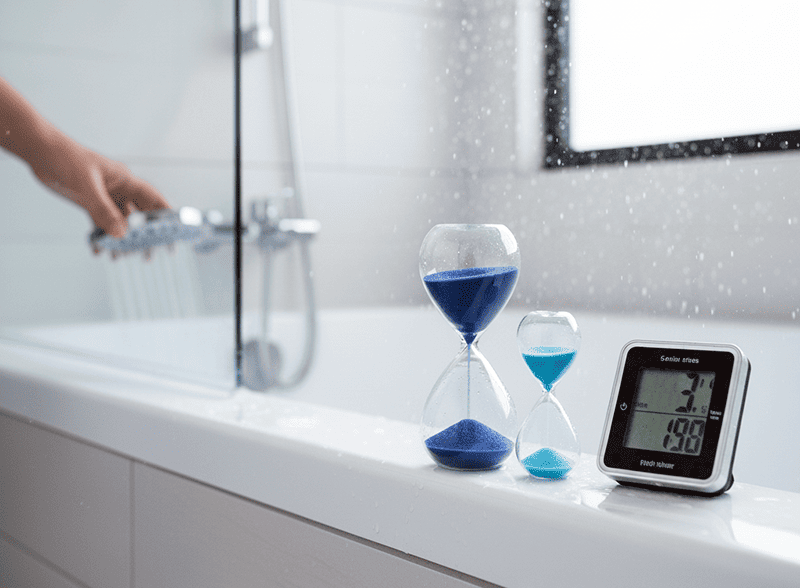
Showers are one of the main hot water uses in a household. The U.S. Department of Energy notes that reducing shower time from eight minutes to five can cut water consumption by nearly 2,500 gallons per person annually. Because hot water accounts for a significant share of energy use, trimming shower durations also lowers energy bills. Behavioral tools - like a simple waterproof timer or song playlist limit - help enforce the habit. No equipment investment is required beyond a timer or mental discipline. Over time, shorter showers instill a mindset of efficiency that often extends to other water uses.
Why this advice works (money-saving mechanisms):
- Lowers total water consumption (hot + cold combined).
- Encourages mindfulness and restraint in other water uses.
- Requires zero capital investment (just awareness and discipline).
Fix Leaks Promptly
Estimated monthly savings: $10-$25
A single dripping faucet often seems trivial, but over time it wastes a surprising volume of water - sometimes more than 3,000 gallons per year. In many U.S. homes, leaks account for as much as 10 % of total household water use. Utilities and municipal programs emphasize leak detection, such as EPA's Fix a Leak Week, because small leaks are among the lowest-cost sources of savings. A running toilet can waste up to 200 gallons per day in severe cases. Homeowners should visually inspect faucets, toilet components, supply lines under sinks, and exterior spigots regularly. When detected early, repair often involves replacing washers, O-rings, flappers, or tightening fittings. Most of these fixes require minimal expense and tools.
Why this advice works:
- Prevents small, continuous leaks from compounding into large losses over time.
- Lowers both water and sewer charges tied to total usage.
- Avoids secondary damage (water intrusion, mold) that would incur repair costs.
- Lengthens the functional life of plumbing fixtures by reducing wear.
- Helps uncover failing components early (e.g. a toilet flapper degrading) before full failure.
Install Water-Efficient Fixtures
Estimated monthly savings: $15-$30
Modern low-flow fixtures provide the same or better performance while using significantly less water. According to ENERGY STAR and related studies, high-efficiency plumbing can cut indoor water use by around 30 %. Many U.S. homes still use older fixtures built before 1994, which permit much higher flow rates. The EPA's WaterSense program certifies products (faucets, showerheads, toilets) that outperform conventional models in water efficiency. Some utilities and municipalities offer rebates or incentives if you install WaterSense-labeled fixtures. The upfront cost of a quality low-flow fixture is often modest, and the reductions in water and energy bills pay back over time.
Money-saving mechanisms:
- Reduces the volume of water flowing through taps, showers, and toilets.
- Cuts the energy used to heat water (especially for showers and faucets).
- Qualifies for rebates or incentives, reducing net installation cost.
- Delivers immediate, measurable reductions in per-use consumption.
- Standard plumbing compatibility means it seldom requires costly retrofits.
Run Full Loads of Laundry and Dishes
Estimated monthly savings: $8-$20
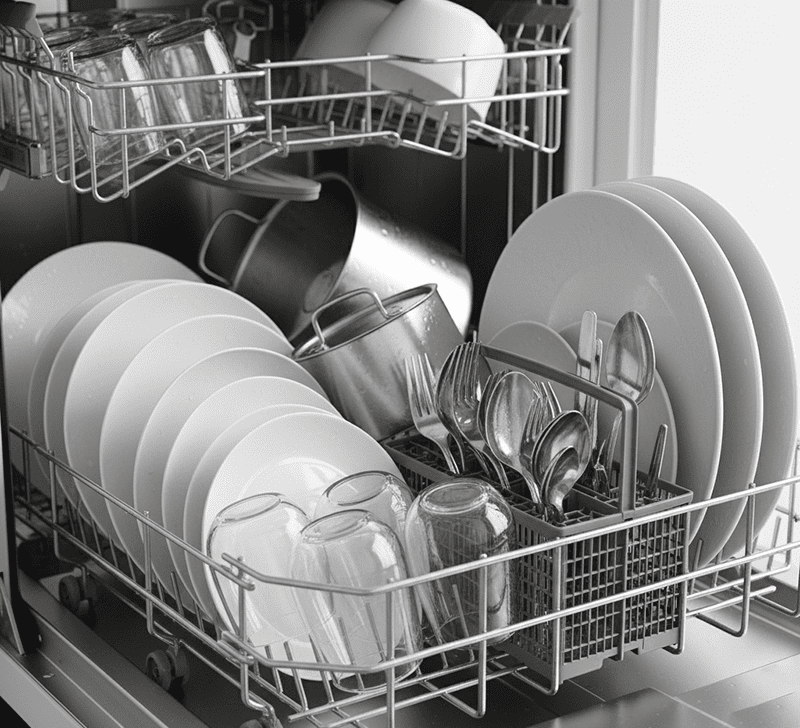
Whether using a washing machine or dishwasher, running partial loads wastes both water and energy. EPA WaterSense data indicate modern dishwashers (post-2013) typically use no more than 5 gallons per cycle, while washing dishes by hand (or with partial loads) may consume up to 27 gallons. ENERGY STAR-certified washers use up to 50 % less water than older conventional models. By waiting until full loads accumulate, you maximize efficiency per cycle. This strategy also decreases the number of cycles, reducing wear and tear on equipment. Over time, fewer cycles mean lower maintenance or earlier replacement costs.
Why this advice works:
- Minimizes wasteful cycles with partial loads.
- Lowers energy costs for heating water per cycle.
- Decreases mechanical wear and extends appliance lifespan.
- Improves overall system efficiency by reducing cycles.
Turn Down Your Water Heater
Estimated monthly savings: $7-$15
Many water heaters ship preset at 140 °F (60 °C), but lowering the thermostat to 120 °F still delivers adequate hot water. The DOE states that a 10 °F reduction yields 3-5 % energy savings. Operating at lower temperature reduces standby heat loss from the tank. It also mitigates scalding risk and curtails excessive hot water usage by households. A cooler tank pressure and temperature slow scale buildup and corrosion inside heater components. This adjustment is cost-free (just a thermostat setting) and immediately improves efficiency.
Why this advice works:
- Reduces energy lost through tank heat dissipation (standby loss).
- Temperatures that are too high promote excessive energy waste.
- Slower mineral buildup increases heater longevity.
- Provides inherent moderation in hot water usage by users (less waste).
Water Your Garden Wisely
Estimated monthly savings: $10-$25 (seasonal)
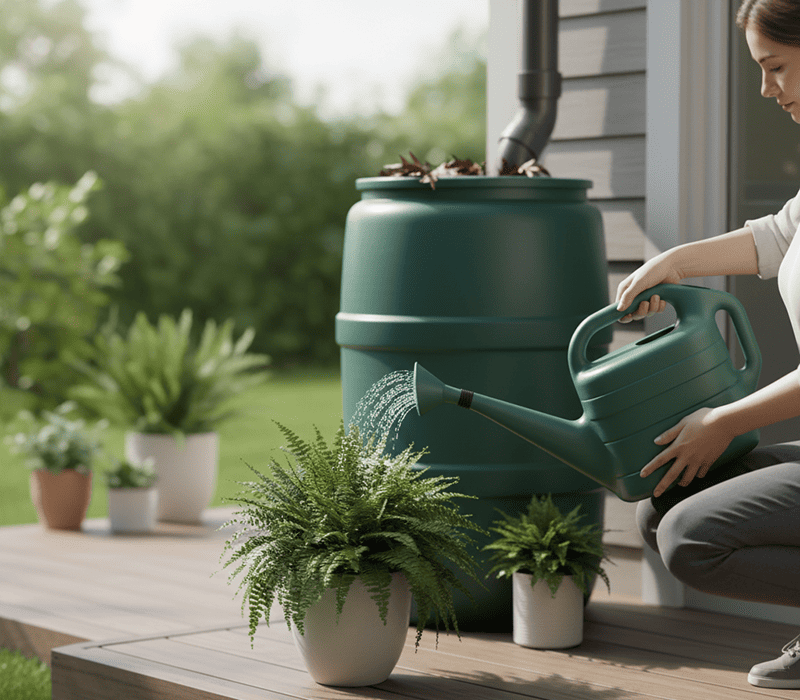
Outdoor irrigation often dominates peak-season water use - sometimes over 50 % of a household's total usage in summer. Smart irrigation controllers adjust watering schedules based on weather, reducing watering during rain or cooler periods. The WaterSense program reports that smart controllers may save up to 8,800 gallons annually. Switching to drip irrigation or using watering cans targets water to roots and cuts overhead loss by wind or evaporation. Capturing rainwater (barrels) supplements garden needs without drawing from utilities. Drought-tolerant landscaping or xeriscaping lowers overall watering demand.
Money-saving mechanisms:
- Reduces overwatering by matching irrigation to real need.
- Captures and uses free rainwater, bypassing utility supply.
- Focuses water where plants need it most (roots) rather than wastefully.
- Lowers runoff, erosion, and wasted volume.
- Shrinks seasonal peaks in water demand, lowering usage-based charges.
Consider a Water Meter
Estimated monthly savings: $10-$35
In many jurisdictions, households pay a flat rate regardless of usage. Switching to metered billing makes you pay precisely for what you consume. Low-occupancy homes especially benefit, since high fixed rates disproportionately penalize low users. Evidence from U.K. systems (e.g. Water UK) shows savings of £100-£150 annually in many cases. In the U.S., some utilities allow optional metering for customers on flat plans. With a meter, usage spikes become instantly visible, encouraging behavioral corrections or leak repairs. Metering brings accountability and transparency to water use.
Why this advice works:
- Aligns cost with actual consumption, removing subsidy effect.
- Incentivizes conservation through real cost awareness.
- Strengthens accountability in household water behavior.
Check for Financial Assistance
Estimated monthly savings: Up to $40
Many water utilities maintain hardship programs, discounts, or “social tariffs” to support low-income households or those with high essential usage. In the U.S., the Low Income Household Water Assistance Program (LIHWAP) helps eligible families with water bills. Utilities in specific regions also offer leak repair grants, payment plans, or subsidized fixture upgrades. Enrolling in such programs directly cuts your net bill. Local agencies or water authority websites typically list qualification criteria. This step requires little effort but may yield meaningful relief, especially during hardship or seasonal peaks.
Why it will be work:
- Reduces the effective cost of water for qualifying households.
- Offsets bill during periods of financial strain.
- Provides peace of mind and cash flow relief without usage cuts.
Reuse Water Where Possible
Estimated monthly savings: $5-$10
“Graywater” reuse channels gently used water (e.g. from washing vegetables, rinsing, or shower warm-up) into secondary tasks. A full graywater reuse system may require permits and plumbing changes, but low-tech recycling (e.g. collecting rinse water in a bucket) costs nothing. The DOE and other studies suggest graywater strategies can reduce overall household water use by 10-15 %. Using this water for garden irrigation, toilet flushing, or cleaning repurposes water you've already paid for. Over time, habitual reusing reinforces conservation mindsets across all use categories.
Why this advice works (money-saving mechanisms):
- Captures and reuses water already treated and paid for.
- Cuts demand on the municipal supply for secondary uses.
- Reduces both potable water consumption and associated energy costs.
- No or minimal cost for basic reuse practices.
Use Off-Peak Rates
Estimated monthly savings: $5-$12
Some utilities link water heating energy costs to time-of-use (TOU) electricity pricing. Running dishwashers, laundry machines, or water heaters during off-peak hours shifts energy load to cheaper periods. Although water itself usually doesn't vary in price, the electric energy needed to heat it might. By aligning heavy hot water use to lower electricity tariff windows, you lower the combined utility burden. This requires scheduling, but often no equipment investment. Over time, habitual off-peak usage shifts reduce energy-water cost coupling.
Why this advice works:
- Capitalizes on lower electricity rates during off-peak hours.
- Reduces the energy cost component of water use.
- Encourages spreading loads rather than clustering usage.

We are recommend
Utility Bill Negotiation Script Helper
Want to cut your monthly expenses? Use this tool to take control of your next call with a service provider. This interactive tool helps you confidently ask for lower rates, remove unnecessary fees, or request loyalty discounts - all with the right words and tone. Instead of guessing what to say, you'll get a personalized negotiation script that sounds natural, polite, and persuasive. With expert-backed phrasing and practical advice, this tool turns an ordinary customer call into a real opportunity to save money - without stress or awkward moments.
How to Save Money on Water Bill in Apartments?
For renters, managing water costs can be challenging since many plumbing systems, fixtures, and billing methods are controlled by landlords or property managers. However, that doesn't mean you're powerless. Understanding your building's setup, monitoring your consumption, and communicating effectively with management can lead to measurable savings. Many tenants are unaware that apartment dwellers often overpay for water due to outdated fixtures, unreported leaks, or shared billing systems. In fact, nearly 13% of indoor water use in apartments is wasted through leaks and inefficiencies - a problem that tenants can help reduce.
Whether you pay directly through a meter or via a shared billing model, small adjustments in your daily routine can reduce overall consumption and costs. The following expert-backed strategies are designed specifically for renters who want to control water expenses in shared living environments. These steps will help you learn how to save money on water bill in apartments without needing major renovations or expensive equipment.
-
Report Leaks and Maintenance Issues Immediately
Even minor leaks in apartment complexes can waste thousands of gallons a year if ignored. Toilets and faucets are the biggest offenders - often leaking quietly without visible signs. Always report leaks to your landlord or maintenance team as soon as they appear. This not only helps you save water but also protects the property from structural damage. Many property managers respond quickly when tenants point out issues that could increase the building's utility costs. Proactive reporting creates accountability, encourages preventive maintenance, and can lower your next billing cycle. -
Request Water-Efficient Fixtures from Your Landlord
You don't need to buy your own hardware - many landlords are open to installing low-flow showerheads, faucet aerators, and dual-flush systems because they improve the building's value and efficiency. These upgrades can reduce per-apartment water usage by up to 25%. Tenants should highlight that such fixtures not only reduce their water bill but also make the property more appealing to future renters. Some utilities even offer free efficiency kits for multifamily buildings, meaning landlords won't pay out of pocket. -
Use Smart Washing Practices
If your apartment has shared laundry facilities, try running washers during off-peak hours and only when loads are full. Opt for cold water cycles whenever possible - heating water accounts for roughly 90% of laundry-related energy use. If you do laundry in-unit, clean lint filters regularly and avoid small loads. For dishes, use a basin to rinse instead of running the tap continuously. These habits help keep your total usage and shared building costs lower. -
Understand Your Water Billing System
Apartment residents are often billed differently depending on whether the building uses individual meters or a Ratio Utility Billing System (RUBS). With RUBS, everyone shares part of the total water cost based on apartment size or occupancy. If you're on a shared plan, encouraging neighbors to save water benefits everyone. For individually metered units, you can track personal usage and negotiate adjustments if your bill spikes abnormally. Always review your statement carefully and request usage data from the property manager when needed. -
Explore Tenant Assistance or Rebate Programs
Many local utilities and housing agencies offer rebates or “social tariffs” that reduce bills for low-income tenants or those with medical needs requiring higher water use. For example, the LIHWAP program in the U.S. provides temporary financial relief to eligible households struggling with water and wastewater costs. Check your city's utility website for rebates on efficient fixtures or landlord participation incentives. Knowing your eligibility and using these resources can lead to direct monthly savings while promoting fair utility practices in your community.
How to Save Money on Water Without Sacrificing Comfort
Most people assume saving water means compromising comfort, but sustainability is about smarter, not stricter, habits. Building daily awareness of consumption is the key to mastering how to save money on water without feeling restricted. Small, consistent behavioral shifts - such as turning off taps while brushing teeth, reusing water when possible, and adjusting bathing routines - compound into measurable results. According to the EPA WaterSense program, simple behavioral changes can reduce indoor water use by 20% or more, leading to annual savings of both water and energy.
One of the most effective ways to build new habits is through gamification. Turn conservation into a family challenge - track who takes the shortest shower, or reward kids who remember to turn off faucets. Families can set collective goals, like reducing their household water bill by 10%, and celebrate milestones with low-cost rewards. Visual progress trackers or smart home dashboards help make water-saving tangible, keeping motivation high.
Children are powerful change agents in the home. Teaching them early that water is a shared resource fosters lifelong sustainable thinking. Encourage them to reuse leftover drinking water for plants or collect cool shower water for cleaning outdoor areas. Likewise, pet owners can contribute - by filling water bowls carefully, cleaning them less frequently (without sacrificing hygiene), or using recycled water for pet baths when safe. These mindful acts prevent unnecessary waste and teach responsibility.
Hot water habits deserve special attention because heating water can account for up to 18% of home energy bills. Taking shorter showers, washing clothes in cold water, and using energy-efficient fixtures not only cut water use but also reduce electricity or gas costs. Think of it as a “double save” - every gallon of hot water you conserve lowers two bills simultaneously.
Ultimately, sustainable living isn't about deprivation - it's about alignment. When water-saving becomes a routine part of daily behavior, comfort naturally adapts, bills shrink, and the household gains a sense of shared accomplishment.
Real Stories: Households That Cut Their Water Bills in Half
Top Apps and Tools to Save Money on Water
Managing water use efficiently has become easier than ever with modern digital tools and smart technology. From tracking your consumption to automating irrigation, these solutions make conservation both simple and measurable. Households using smart monitoring systems can reduce water use by up to 20%, translating into substantial annual savings. The right mix of apps and gadgets doesn't just help cut bills - it also builds awareness about when, where, and how you use water most. Below are the most effective apps and devices that help you take control of your water use in 2025.
What Are the Most Effective Water Conservation Apps in 2025?
Technology-driven apps are revolutionizing how households monitor and manage their water consumption. They offer real-time data, trend analysis, and even gamified progress tracking to keep users engaged. Whether you want to check your daily usage, compare with local averages, or get leak alerts, these tools provide both convenience and insight. Using smart water management apps can save $60-$100 per year in combined utility costs. Below are six standout applications that help you achieve measurable results.
- Dropcountr delivers real-time insights into household water use and compares it against community averages. It automatically detects leaks, sends efficiency alerts, and lets you set personalized usage goals. The dashboard visualizes progress in gallons and dollars, helping users stay accountable and engaged in conservation.
- H2O Tracker syncs with most modern smart meters, offering precise tracking of daily and monthly water consumption. Its color-coded alerts flag irregular spikes or outdoor overuse early, preventing costly leaks. With detailed analytics and pattern recognition, H2O Tracker empowers households to correct inefficiencies before they impact the bill.
- Water Timer Plus designed for gardeners and homeowners. It schedules irrigation sessions manually or via smart sprinklers. It factors in local weather forecasts to avoid watering during rain or low-need periods. According to EPA WaterSense, such optimization can save up to 2,500 gallons per season while maintaining healthy landscapes.
- Rain Harvesting helps you calculate, store, and track collected rainwater from your roof area. The app estimates how much rainfall can be captured based on local climate data and surface size. It supports sustainable irrigation planning and reduces dependence on municipal water for outdoor cleaning and gardening.
- Water1der created by the Groundwater Foundation. It combines education and engagement with practical conservation tracking. Through interactive quizzes, usage insights, and water-saving challenges, it encourages behavioral change in families, classrooms, and communities while increasing awareness of groundwater protection.
- Water Consumption Calculator estimates your household's daily and monthly water use. Users input fixture types, appliance models, and habits to pinpoint waste areas. Ideal for renters or homes without smart meters, it delivers a fast diagnostic snapshot for measurable, low-cost conservation planning.
Which Smart Water Gadgets Are Recommended for Cost Savings
Smart water technology has evolved from simple leak detectors to intelligent systems capable of automating entire home water management. The Department of Energy (DOE) notes that connected devices can reduce both water and energy costs by up to 30% when properly configured. These tools don't just detect waste - they prevent it. Below are the seven most effective smart devices to help lower your water bills and increase efficiency.
- Flume Smart Home Water Monitor. It attaches directly to your home's water meter and uses advanced sensors to track consumption in real time. Through its mobile app, you can view detailed indoor and outdoor usage patterns, receive instant leak alerts, and monitor flow changes minute by minute. It empowers homeowners to spot inefficiencies early, avoid costly leaks, and improve overall water management effortlessly.
- Flo by Moen and Phyn Plus. These intelligent whole-home systems deliver round-the-clock leak protection by continuously analyzing water pressure, temperature, and flow. When irregular activity is detected, they automatically shut off the supply to prevent flooding. Integrated mobile apps provide live analytics, usage reports, and performance diagnostics, turning water safety into proactive, data-driven management.
- Rachio Smart Sprinkler Controller. These app connects to Wi-Fi and uses real-time weather data, soil moisture, and seasonal patterns to automate lawn irrigation. It prevents overwatering by pausing during rain and adjusting schedules for evaporation rates. Compatible with major smart home platforms, Rachio ensures healthy landscaping while cutting outdoor water consumption by up to 30 %.
- Orbit B-hyve and RainMachine. These smart irrigation controllers combine predictive weather analytics with soil condition monitoring to optimize watering cycles. Their AI-driven algorithms reduce waste by adjusting for humidity, rainfall, and temperature. Through companion mobile apps, users can control multiple zones remotely and reduce outdoor water usage by nearly half during dry months.
- Smart Showerheads. Equipped with Bluetooth or Wi-Fi connectivity, these high-tech showerheads monitor flow rate, duration, and temperature in real time. Many models feature LED indicators or companion apps that alert you when optimal usage is exceeded. They help users conserve water and energy without sacrificing comfort or pressure.
- Low-Flow Showerheads. WaterSense-certified low-flow showerheads restrict flow to 2.0 GPM or less, maintaining consistent pressure while drastically cutting water and heating costs. Their precision nozzles mix air with water for a full spray using less volume. Households adopting them can save up to $70 annually on combined utility bills.
- Smart Faucets. Featuring motion sensors and temperature calibration, smart faucets deliver water only when needed, eliminating waste from running taps. They enable precise flow control for cooking, cleaning, or hygiene routines and automatically shut off when idle. These devices can reduce faucet water use by 30 % while enhancing convenience and hygiene.
Myths and Realities About Saving on Water
Even smart households fall for persistent myths about water efficiency. These myths feel intuitive because they're based on half-truths - like “shorter showers always beat baths” or “hand-washing dishes is gentler and cheaper.” In practice, billing methods, fixture performance, and hidden leaks matter far more than hunches. The realities below translate common misconceptions into practical steps that lower costs without sacrificing comfort. Use them to calibrate your routine, set priorities, and focus on what actually works when deciding how to save money on your water bill.
| Myth / Common Mistake | Reality & How to Avoid It |
| “Shorter showers are always the cheapest option.” |
Shorter showers help - but only up to a point. Flow rate is the real driver: a 10-minute shower with a 1.8 GPM head (≈18 gallons) can beat a 6-minute shower under a
3.5 GPM head (≈21 gallons). Temperature matters, too - hot water increases your gas/electric bill. Fix: Install a WaterSense-labeled or ≤2.0 GPM showerhead, then set a consistent time cap (e.g., 5-7 minutes). Use a simple timer or playlist for cues. If comfort is a concern, try “power-pulse” low-flow models that preserve pressure. Track the difference on your bill for two cycles to reinforce the habit and adjust as needed. |
| “Hand-washing dishes saves water compared to a dishwasher.” |
With modern units, the opposite is typical. New dishwashers can use ~3-5 gallons per cycle, while running a faucet for 10 minutes at 2 GPM uses ~20 gallons. Pre-rinsing
under a tap doubles the waste. Fix: Scrape, don't rinse. Run only full loads on an eco cycle, and use air-dry. If your machine is older than a decade, check its gallons per cycle; consider upgrading if it exceeds ~6 gallons - savings on water and hot-water energy often justify the swap. If you must wash by hand, fill a basin for wash and another for rinse; never run the tap continuously. |
| “Leaks are obvious - I'd notice them right away.” |
Many leaks are silent: a worn toilet flapper, a slab leak, or a slow drip behind a wall. These can waste hundreds of gallons weekly without surface clues. Fix: Do a monthly 30-minute meter test: turn off all water, note the meter, wait, and recheck - movement indicates a hidden leak. Dye-test toilets (food coloring in the tank; color in the bowl = leak). Inspect under sinks, behind the fridge (ice maker line), and around the water heater. Consider a smart monitor that flags continuous flow. Addressing tiny leaks promptly prevents both inflated bills and structural damage. |
| “My apartment uses RUBS, so conserving won't affect my bill.” |
In Ratio Utility Billing Systems, your share still rises with building-wide use. If neighbors waste water, everyone pays more - but your own usage also contributes to the
pool. Fix: Control what you can: report leaks, request aerators/low-flow showerheads, and adopt laundry/dishwasher best practices. Share conservation tips in tenant channels; coordinated behavior changes can drop the whole property's use. Ask management for monthly usage reports or conservation challenges; buildings that publish data see higher compliance. If individual metering is feasible, advocate for it - transparency drives better habits and fairer costs. |
| “Cold-water habits don't move the needle - water is the only cost.” |
Hot water links two bills: water and energy. Long hot showers, high heater setpoints, and warm-wash laundry increase both line items. Fix: Lower the water-heater setpoint to ~120°F, switch laundry to cold for most loads, and try a 5-7 minute shower target. Combine low-flow fixtures with behavior cues (timers, smart shower displays). The “double-save” is substantial: you use fewer gallons and fewer BTUs/kWh to heat them. Over a year, this can rival the impact of a major appliance upgrade - without the upfront cost. |
Frequently Asked Questions: How to Save Money on Your Water Bill
Why is water so expensive now?
Water costs have risen globally due to several converging factors: aging infrastructure, climate change, and population growth. In the U.S., the Environmental Protection Agency (EPA) reports that over $744 billion is needed to upgrade drinking water systems by 2032. Drought conditions across states like California, Arizona, and Nevada also limit supply, forcing utilities to invest in new technologies and distribution methods. According to the Water World, average residential water bills have increased by 43% in the past decade. Energy costs for water treatment and transportation add further pressure. In short, you're paying for more than just water - it's the delivery, purification, and maintenance behind every gallon that drives modern pricing upward.
What increases your water bill the most?
The biggest drivers of a high water bill are leaks, inefficient fixtures, and lifestyle habits. The EPA WaterSense program estimates that household leaks alone waste nearly 10,000 gallons per year - equal to about $150 in unnecessary charges. Old toilets can use up to 6 gallons per flush compared to new 1.28-gallon models, and long showers or half-full laundry loads quickly multiply usage. Outdoor irrigation is another hidden culprit, especially in summer months when sprinklers run unchecked. To pinpoint causes, track your water meter weekly and compare usage across billing cycles. Installing low-flow fixtures, fixing leaks promptly, and using smart irrigation controllers can cut your total consumption by 25-35%, delivering savings that persist every month.
Do you actually save money with a water meter?
Yes, most households benefit financially from switching to a water meter, especially smaller households or those who already practice conservation. In areas with flat-rate billing, water use is averaged across all users - so efficient consumers subsidize heavier users. According to Ofwat UK and EPA studies, homes with meters reduce consumption by an average of 20-25%. Meters also help identify leaks early and encourage awareness of usage patterns. However, savings depend on lifestyle: large families or high-water-demand homes may see smaller gains. Before switching, review your usage history or request a “meter calculator” estimate from your water supplier to predict potential cost differences accurately.
How can I lower my water bill fast without major renovations?
If you need quick results, start with behavior and small hardware fixes. Tighten dripping faucets, replace worn toilet flappers, and use faucet aerators - all low-cost solutions that can save $10-$30 monthly. Shorten showers by two minutes, always run full laundry and dishwasher loads, and reuse water from rinsing produce or dehumidifiers for plants. According to the Alliance for Water Efficiency, such measures can cut total water use by up to 40 gallons daily in an average household. Track progress through your meter or smart app. These immediate actions deliver fast savings while buying time to plan larger upgrades, such as installing low-flow toilets or switching to smart irrigation systems.
How can I save money on water bills in apartments?
Apartment residents often feel powerless over shared water systems, but strategic actions still make a difference. Report any leaks immediately - running toilets or dripping taps can add $15-$20 per month to shared bills. Request low-flow showerheads and faucet aerators from management; these upgrades typically reduce consumption by 20-30% and are inexpensive for landlords. If your building uses a Ratio Utility Billing System (RUBS), collaborate with neighbors to promote conservation, since total building usage determines everyone's cost. Use smaller habits - timed showers, full dish loads, and reusing gray water where allowed. Some utilities offer rebates or “social tariffs” for low-income tenants, so contact your provider to see if you qualify for discounted rates or water efficiency kits.

Audrie Brooks
Financial Wellness Writer & Family Budget Expert | Helping Families Make Every Dollar Count

Noah Bennett
Credit Score Specialist | Helps rebuild financial health through better credit management